From joist treatment to vapor barrier replacement and encapsulation — the full scope of crawl space mold remediation in Round Rock, TX.
🔍
Crawl Space Mold Assessment & Moisture Mapping
Our Round Rock, TX crawl space inspectors enter the space with calibrated moisture meters and assess joist moisture content readings at regular intervals, map the extent of visible fungal growth, evaluate vapor barrier condition, and measure ventilation cross-flow. Findings documented with photos and written scope before any work begins.
🔨
Joist & Subfloor Sheathing Mold Removal
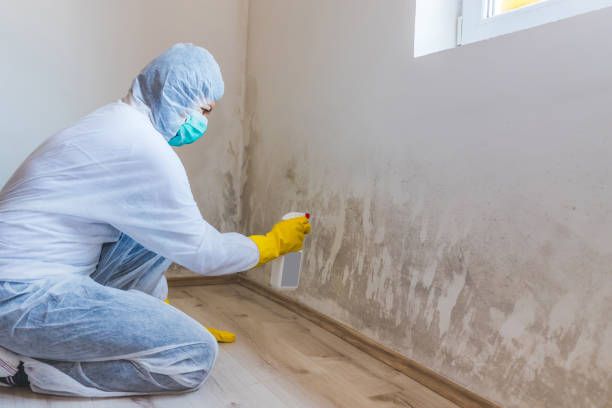
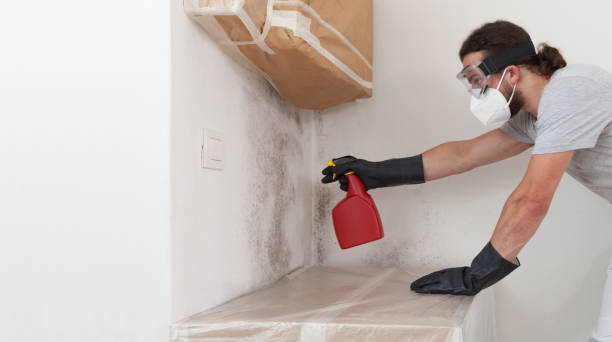
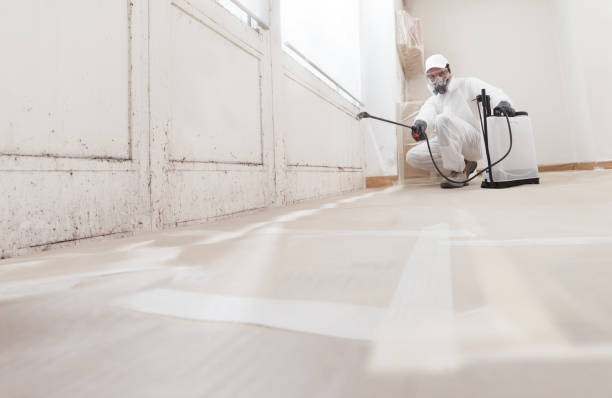
Surface mold on joists (typically Penicillium, Aspergillus, or Cladosporium in most Round Rock, TX crawl spaces) is removed using HEPA vacuuming and wire-brushing on accessible surfaces. Severely deteriorated sections of joist or sheathing may require replacement where structural integrity is compromised by fungal digestion.
💧
Vapor Barrier Repair & Replacement
Ground cover vapor barrier is the first line of defense against crawl space moisture. Torn, absent, or undersized vapor barriers allow ground evaporation to raise relative humidity in the space to mold-favorable levels. We repair or replace with 6-mil minimum reinforced poly — properly overlapped and secured to footings and piers.
🏔
Encapsulation for Severe Moisture Environments
Full crawl space encapsulation — sealed ground cover, insulated perimeter walls, and conditioned air — is warranted in high-moisture-load situations where passive ventilation is insufficient. We assess your specific Round Rock, TX conditions before recommending encapsulation vs. enhanced ventilation.
⚡
Ventilation Correction & Dehumidifier Installation
Additional vents, power ventilation, or a dedicated crawl space dehumidifier — we identify the right ventilation solution for your specific Round Rock, TX crawl space based on its geometry, construction, and moisture load.
📄
Post-Remediation Clearance & Moisture Verification
Post-remediation moisture re-check plus independent post-removal air sampling. Joist moisture content below threshold, post-clearance air sample confirming reduced spore counts — both documented in your written clearance report.